
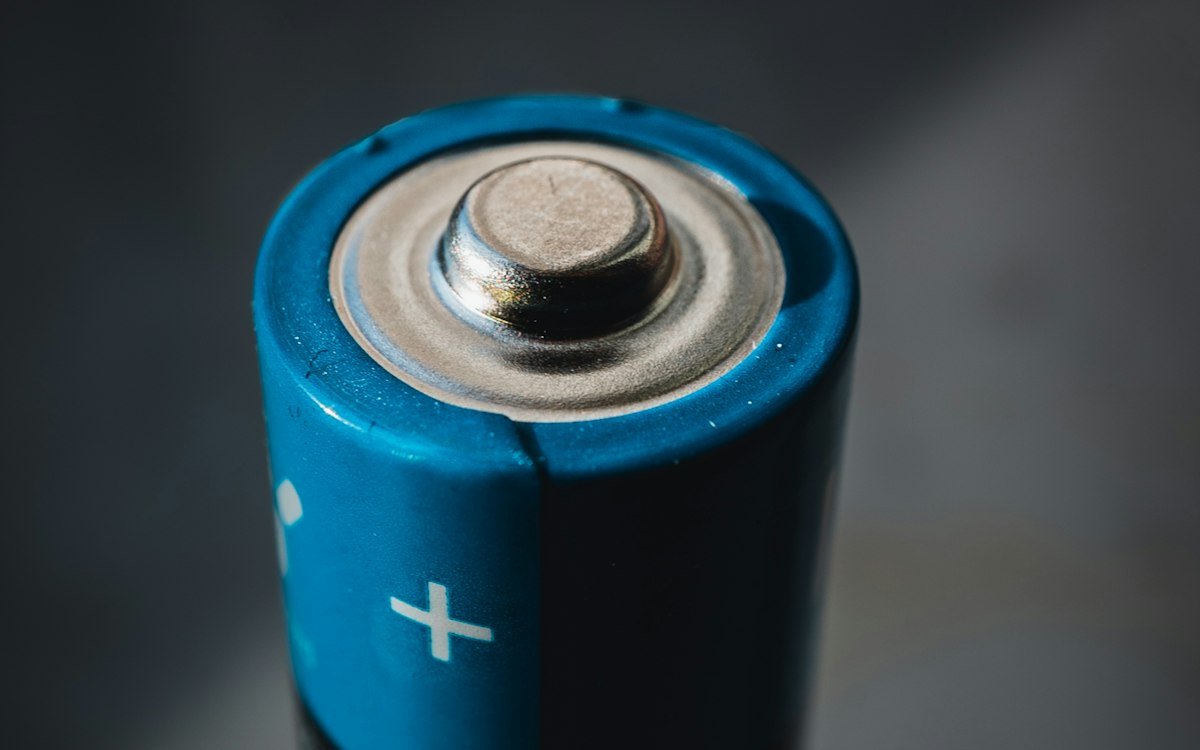
The answer is not the same for every device, and it depends far more on how quickly the device drains a battery than on anything printed on the packet.
The chemistries, briefly
Alkaline (disposable). 1.5V, cheap, sold everywhere. High capacity for low-drain use, and holds charge for five to ten years in a drawer. Leaks when fully discharged and left in place — which is where most alkaline damage comes from.
NiMH (rechargeable). 1.2V, rechargeable several hundred to a couple of thousand times. Modern low-self-discharge cells hold most of their charge for a year or more, which fixed the old complaint that rechargeables were always flat when you needed them.
Lithium primary (disposable). 1.5V, expensive, very light, works in the cold, and lasts years. For cameras, outdoor sensors and anything that will freeze.
Rechargeable lithium AA. A newer category, usually with a USB port in the cell. Holds 1.5V steadily. Convenient, fewer cycles than NiMH, and the built-in charging circuit is a part that can fail.
The voltage difference matters in some devices
Alkaline is 1.5V and NiMH is 1.2V. Most electronics are designed to cope, because an alkaline cell also drops toward 1.2V and below as it discharges.
The exception is anything with a voltage cut-off that assumes alkaline behaviour. A device may report a fresh NiMH cell as flat, or refuse to start. This is uncommon now but it still happens with some older meters and a few remote controls.
The flip side is useful: NiMH holds 1.2V almost flat until it is nearly empty, whereas alkaline drops steadily. In a torch, that means a rechargeable stays bright and then stops, while an alkaline fades for an hour first.
The one thing that decides it: drain rate
High-drain devices — game controllers, camera flashes, motorised toys, wireless headsets, LED torches. Rechargeables win comfortably. Alkalines deliver much less of their rated capacity when pulled hard, so a device that eats alkalines in days will run noticeably longer on NiMH, quite apart from the cost.
Low-drain devices — wall clocks, TV remotes, smoke alarms, thermometers. Alkalines are the better choice. The device may run for a year or more on one set, and a rechargeable's slow self-discharge competes with the device's own consumption.
Anything critical or inaccessible — smoke alarms especially. Use a lithium or good alkaline primary. You do not want a rechargeable's charge state to be the variable in a smoke alarm.
The cost, done properly
A NiMH cell costs several times an alkaline, plus a charger. It breaks even after roughly five to ten cycles, and a good cell will manage several hundred.
For a game controller used daily, that is a saving within months. For a wall clock changed once every two years, you will never reach break-even, and the rechargeable will have self-discharged in the meantime.
Buy rechargeables for the handful of devices that eat batteries, and keep alkalines for everything else. That is cheaper than committing to either.
Charging, and what shortens cell life
- Use a smart charger that terminates per cell. Cheap timer chargers overcharge, which is the main cause of early NiMH failure.
- Charge as a matched set and keep sets together. Mixing cells of different ages and charge states in one device is what causes reverse charging, which kills cells.
- Avoid heat. A charger that makes cells too hot to hold comfortably is damaging them.
- NiMH has no meaningful memory effect. The old advice about fully discharging before recharging applies to NiCd, which has largely disappeared.
Leaks, and what to do about them
Alkaline cells leak potassium hydroxide, which is caustic and corrodes contacts. The two habits that prevent nearly all of it:
- Take batteries out of anything you will not use for months.
- Replace all cells in a device at once, never one of four.
If a device has leaked, the white crust neutralises with a cotton bud dipped in a little vinegar or lemon juice, then dries completely before new cells go in. Wear gloves and keep it away from your eyes.
Disposal
Batteries should not go in household waste, and lithium cells in particular start fires in bin lorries and sorting plants — this is a genuine and growing cause of waste facility fires. Most supermarkets and DIY shops have a collection box by the entrance, and it costs nothing to use.
More household notes are filed under Everyday Essentials.