
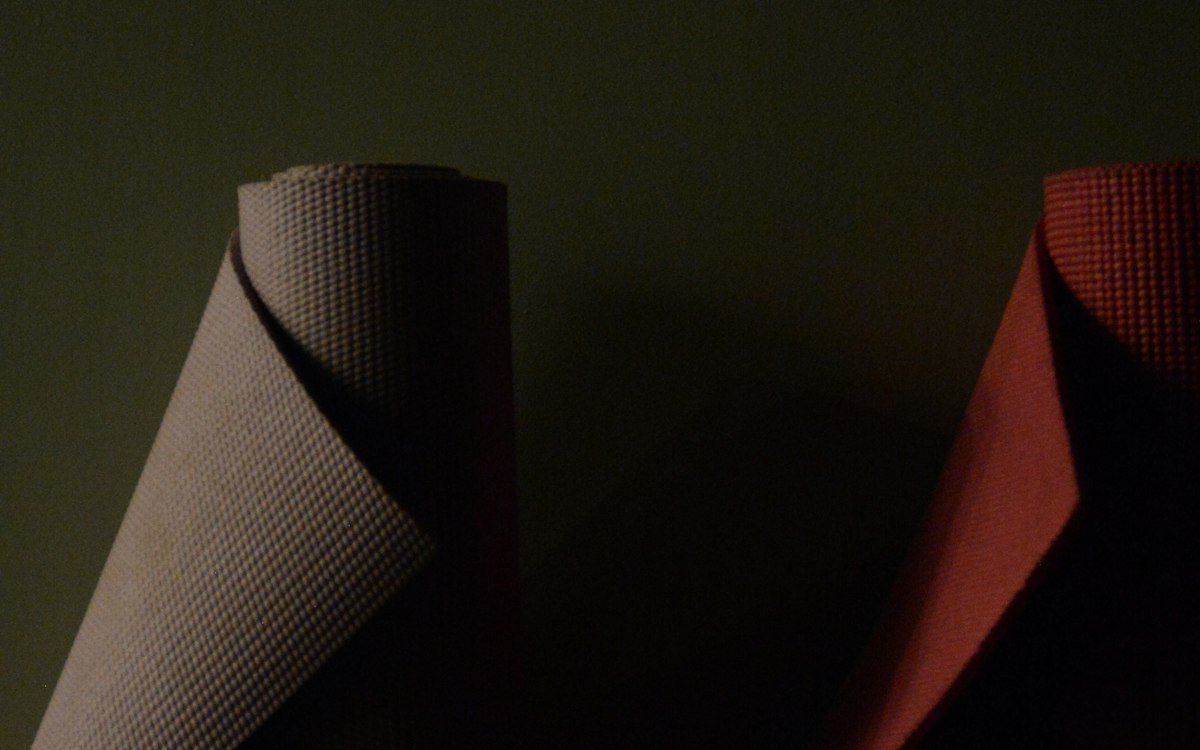
Yoga mats are sold on thickness, and thickness is the specification most likely to lead you to the wrong mat. Thicker is more comfortable and less stable, and which of those matters depends entirely on what you do on it.
The common thicknesses
1.5mm (travel). Folds into a suitcase, weighs under a kilo. Almost no cushioning — it is a grip surface, not padding. Good over carpet or on top of a studio mat.
3mm (standard). The most common thickness and the best default for yoga. Enough to take the edge off a hard floor, thin enough that you feel the ground and stay steady in balance poses.
5–6mm (cushioned). Noticeably softer. Kinder to knees, wrists and hips. Balance poses become harder because the surface compresses unevenly under your foot.
8–15mm (exercise / pilates). Not really yoga mats. These are for floor work, stretching and joint protection where you are not balancing on one leg.
Why thicker is less stable
In a standing balance, your foot makes constant tiny corrections. On a firm surface those corrections meet firm resistance and you feel exactly where you are. On a thick, soft mat the surface sinks unevenly under the pressure and the feedback is delayed and vague.
This is a genuine biomechanical effect, not preference. If your practice includes tree, warrior three, half moon or handstand work, a thinner mat makes them easier.
Choose by practice, not by comfort
- Vinyasa, ashtanga, power yoga — 3mm or less. Stability and grip matter more than padding, and you will be sweating.
- Hatha, yin, restorative — 5–6mm. Long holds on the floor, few balances.
- Pilates and general floor exercise — 6mm and up, or a dedicated exercise mat.
- Sore knees or wrists — go thicker, or keep a 3mm mat and add a folded blanket or knee pad where you need it. This is usually the better answer, because it gives you cushioning only where it helps.
Material matters more than thickness for grip
PVC is the cheap, durable default. Grippy when dry, slippery when wet, and not biodegradable.
TPE is lighter and recyclable, with moderate grip and a shorter life.
Natural rubber grips best, especially when damp, and is heavy. It has a strong smell for the first weeks and degrades in direct sunlight. Not suitable for a latex allergy.
Cork over rubber gets grippier as it gets wet, which makes it a good hot yoga surface, and it is naturally antimicrobial.
If you sweat, material and surface texture will decide whether you slip. Thickness will not.
The specifications nobody lists but you notice
Weight. A 6mm natural rubber mat can be 3kg. If you carry it to a class twice a week, that is the specification that will annoy you most.
Length. Standard is about 173cm, which is short if you are over about 180cm tall — your head or heels come off the end in lying poses. Longer mats at 183cm and 200cm exist and are worth seeking out.
Closed cell or open cell. Closed cell surfaces do not absorb moisture, so they wipe clean and stay hygienic but get slippery with sweat. Open cell absorbs, which improves wet grip and means the mat needs proper drying and will eventually hold odour.
Care, briefly
Wipe it down after sweaty sessions with water and a little mild soap; strong detergents and alcohol break down rubber and strip texture. Dry it flat or hanging, never rolled damp. Keep rubber and cork out of direct sun.
Roll the mat with the top surface facing out and it will lie flat rather than curling up at the corners.
The short version
Start at 3mm unless you know your practice is floor-based. Add padding under the knees rather than under the whole body. Choose the material for grip and the length for your height — those two decide whether you like the mat far more than the millimetre figure on the label.
More training notes are filed under Health & Fitness.